







About
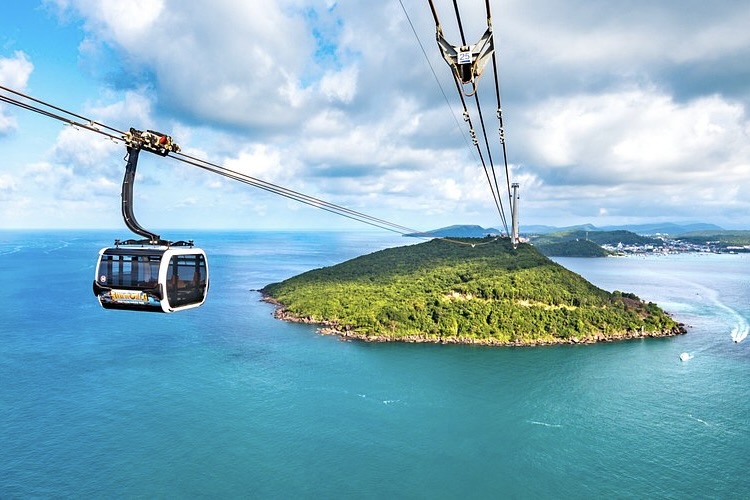
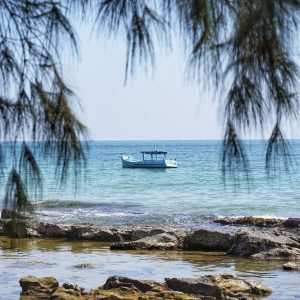
Phu Quoc Island lies in the Gulf of Thailand, in Kien Giang Province, approximately 45 km from Ha Tien and just 15 km south of Cambodia’s coastline. As the largest island in Vietnam, Phu Quoc is part of an archipelago comprising 22 islands and islets, covering an area of around 585 square kilometres and stretching nearly 50 km in length.
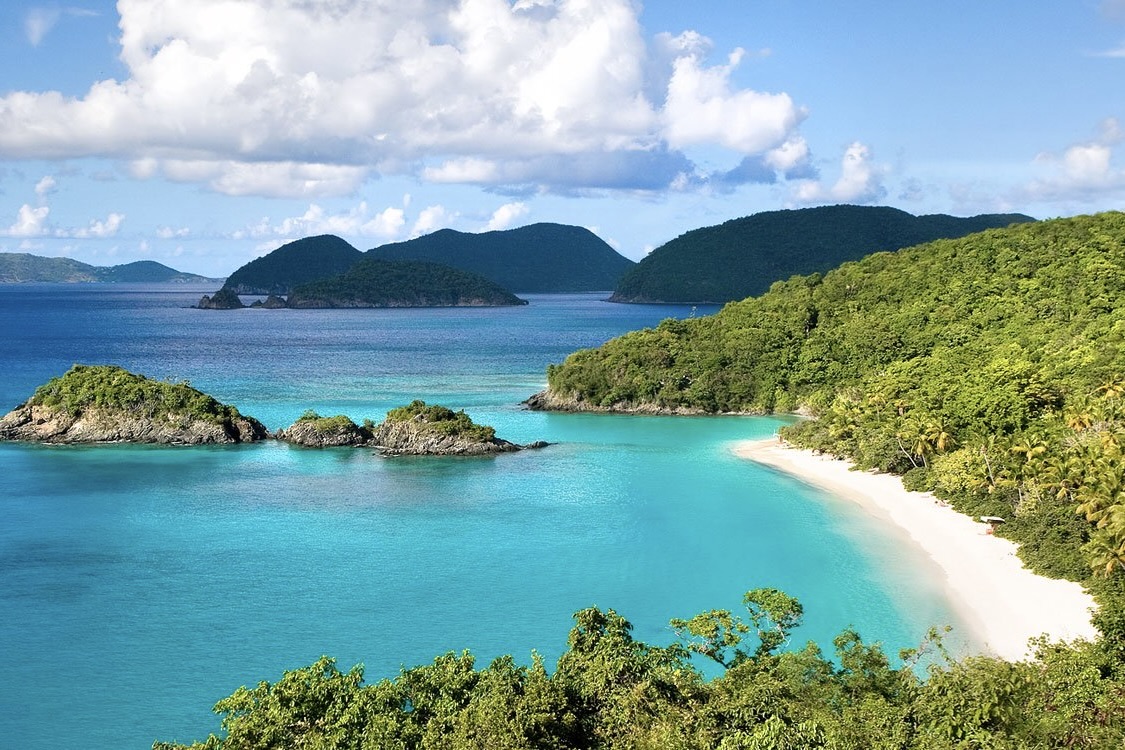
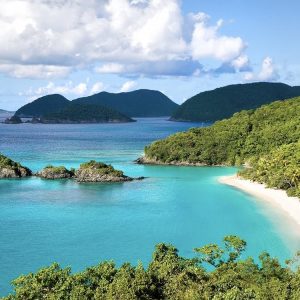
Blessed with a tropical climate, Phu Quoc enjoys warm temperatures year-round, averaging around 27°C. The island’s natural beauty, pristine beaches, and rich marine life have earned it the nickname “The Emerald Island”, making it one of Vietnam’s most popular beach destinations.
What To Do?
- Relax on Pristine Beaches
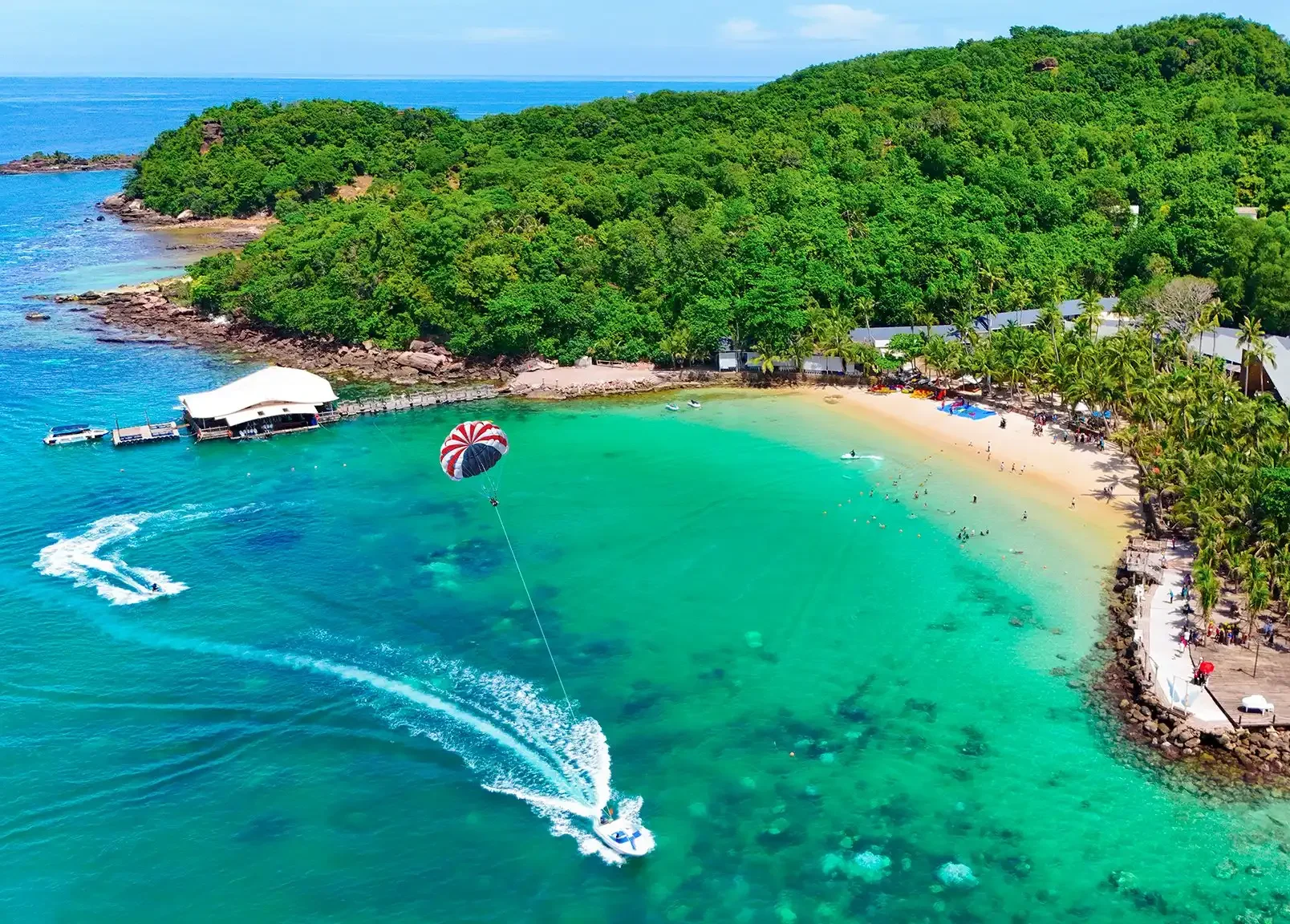
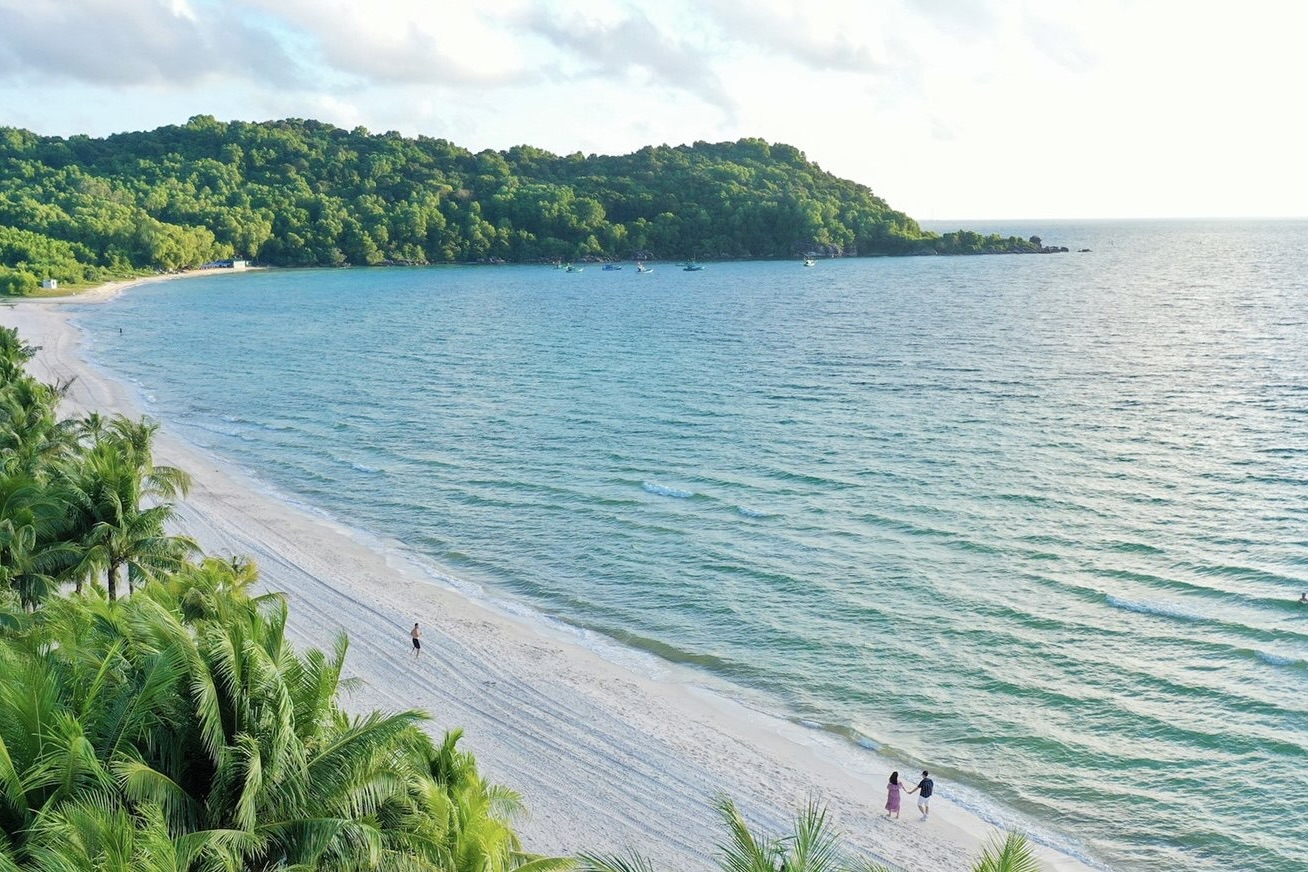
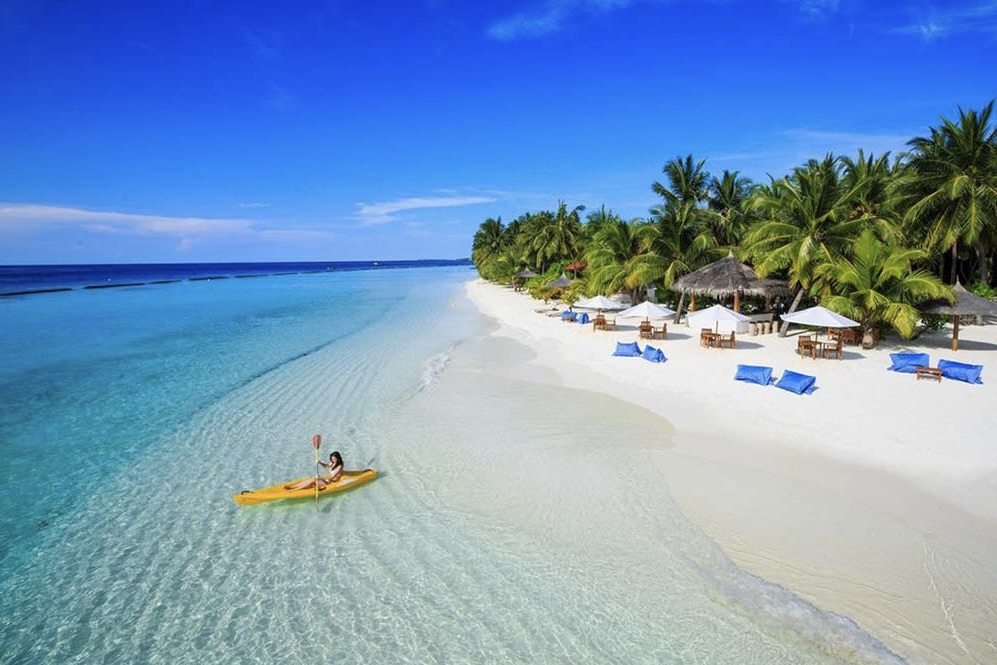
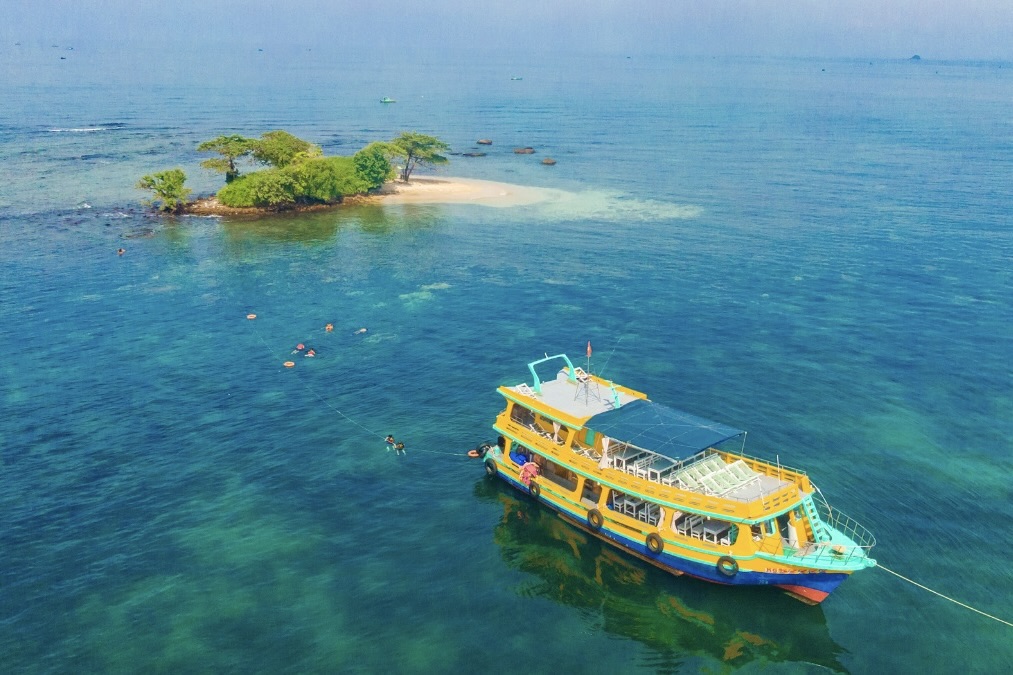
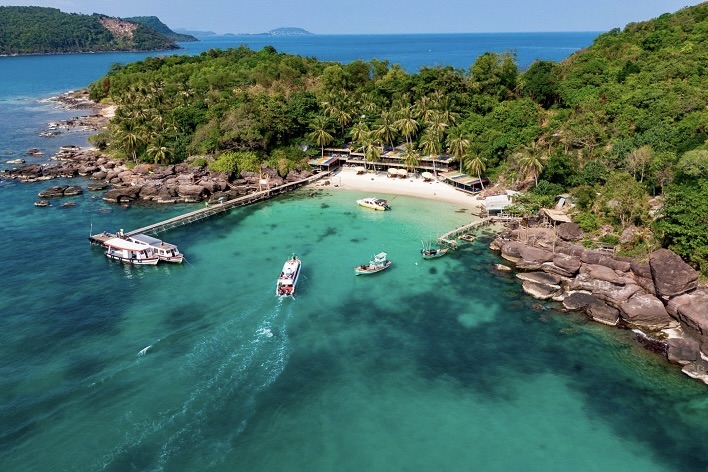
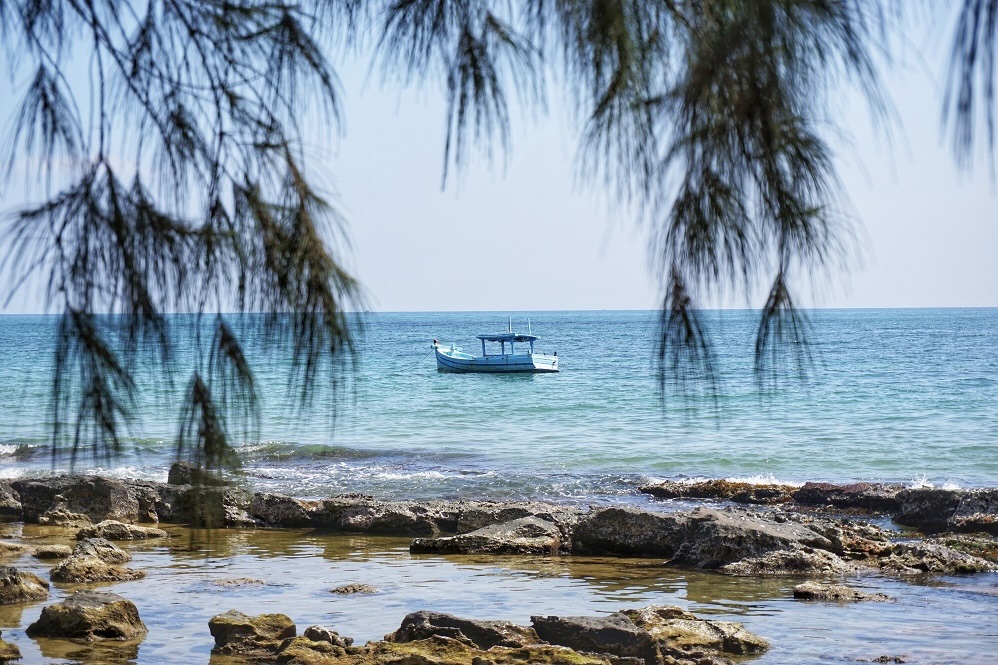
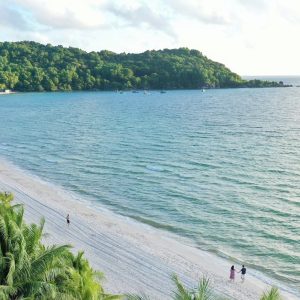
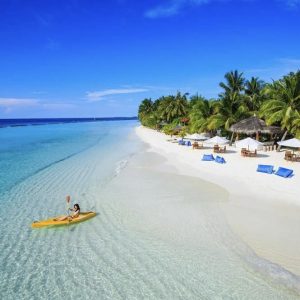
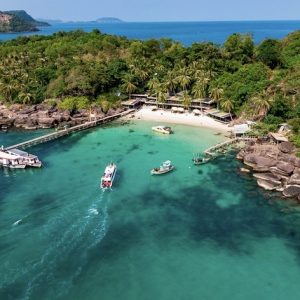
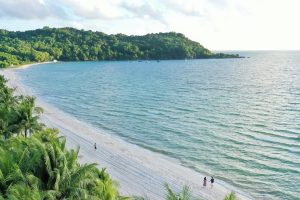
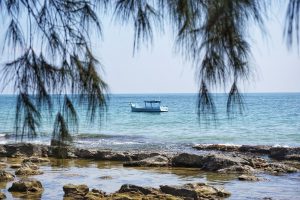
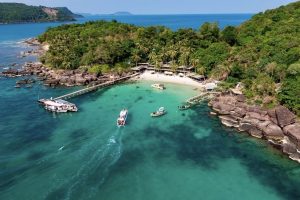
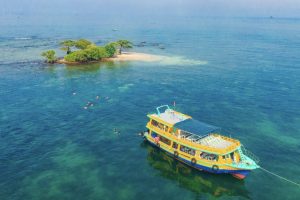
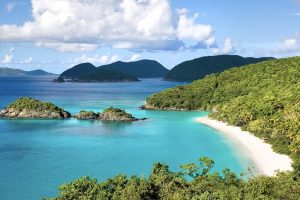
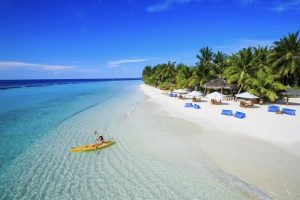
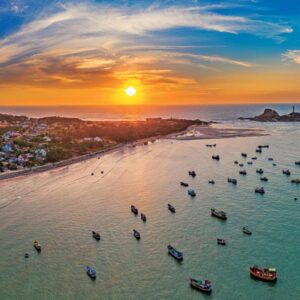
Phu Quoc boasts numerous beautiful beaches with clear blue waters and soft sand. Long Beach, Bai Sao, Bai Vong, Bai Dai in the northwest, and Bai Thom in the northeast are all ideal for swimming, picnics, snorkeling, fishing, or simply relaxing by the sea.
- Explore Local Culture and Traditions
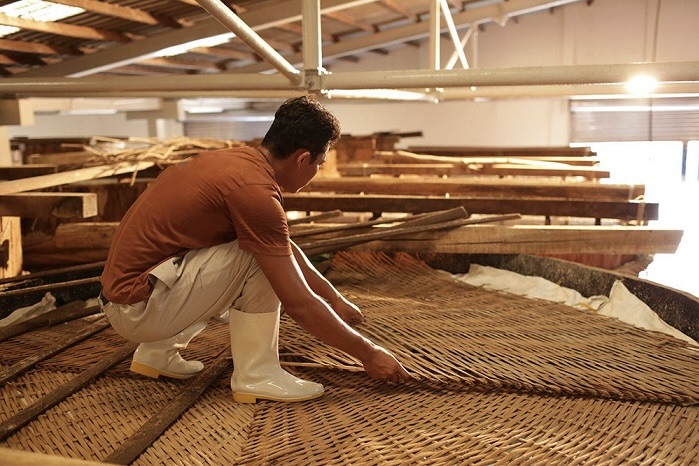
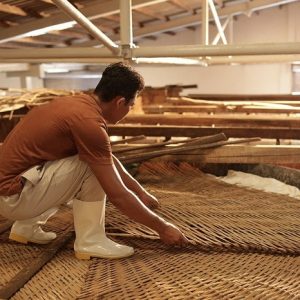
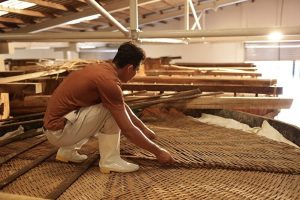
Visit traditional fish sauce factories around Duong Dong town to learn about one of Phu Quoc’s most famous products. These centuries-old techniques remain an important part of the island’s identity.

- Discover Natural Attractions
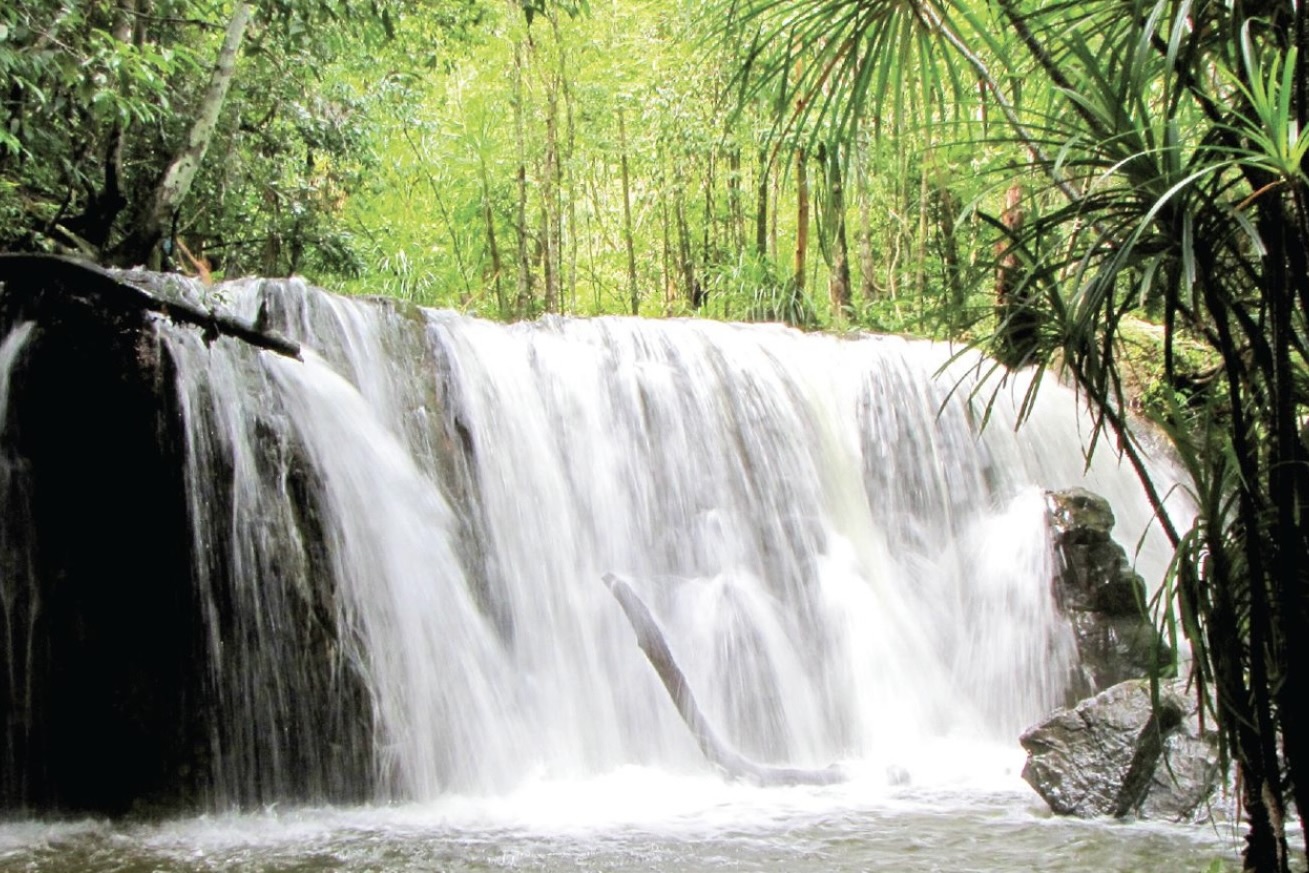
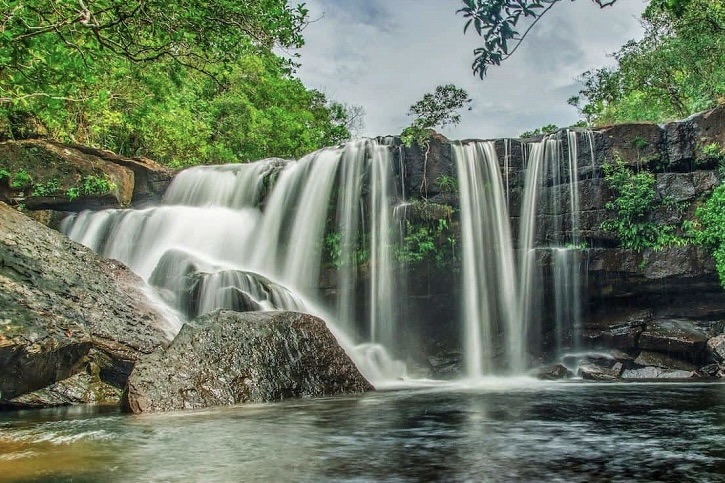
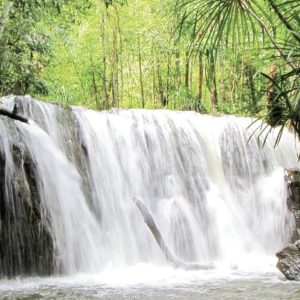
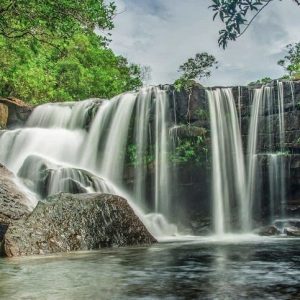
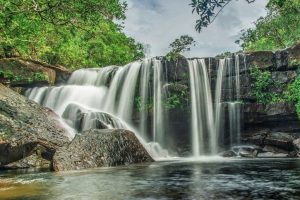
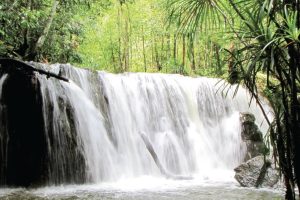
Suoi Tranh Waterfall, located about 10 km southeast of Duong Dong, offers a peaceful escape into nature, especially during the rainy season when water flows more strongly over the rocks.
- Visit Historical Sites
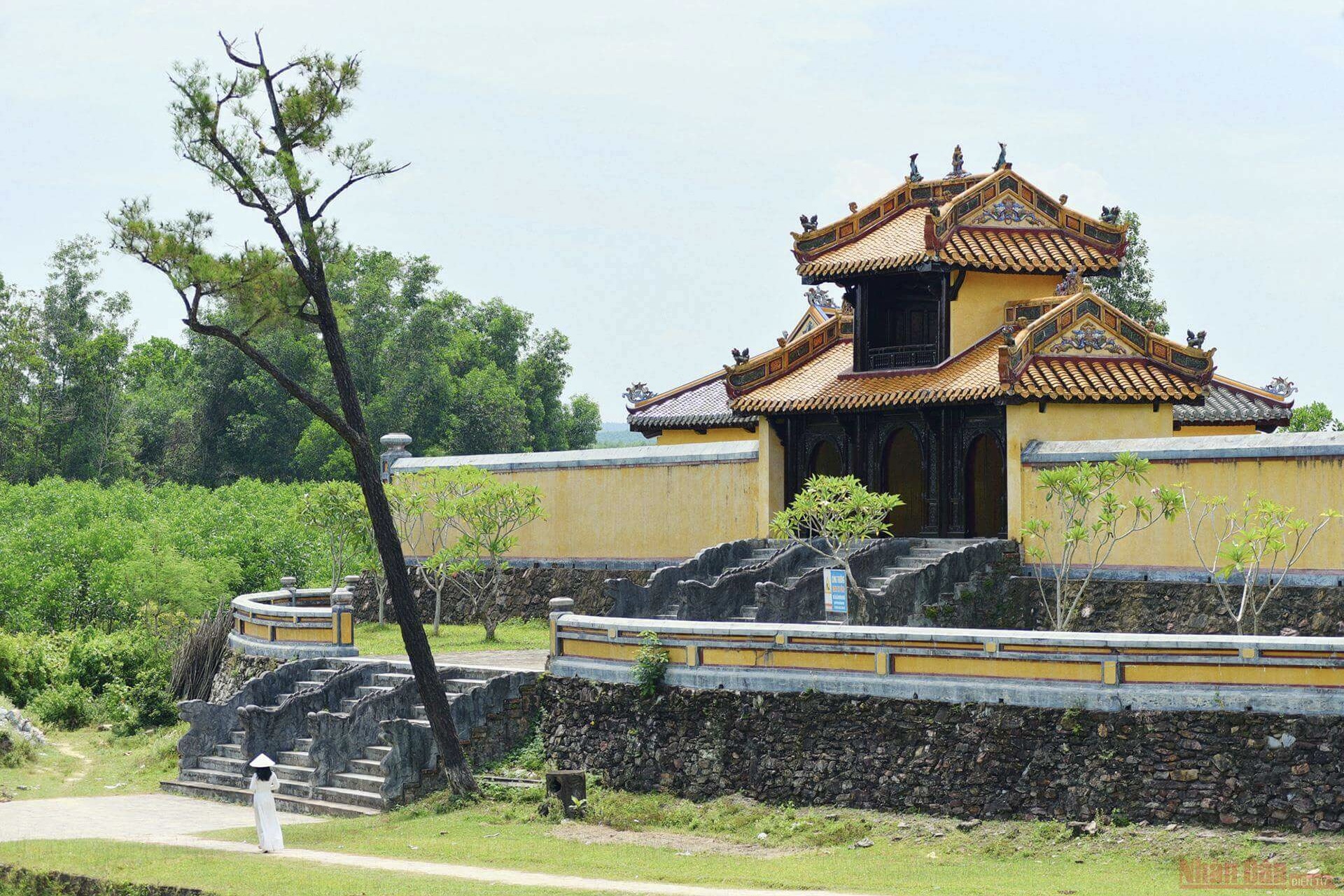
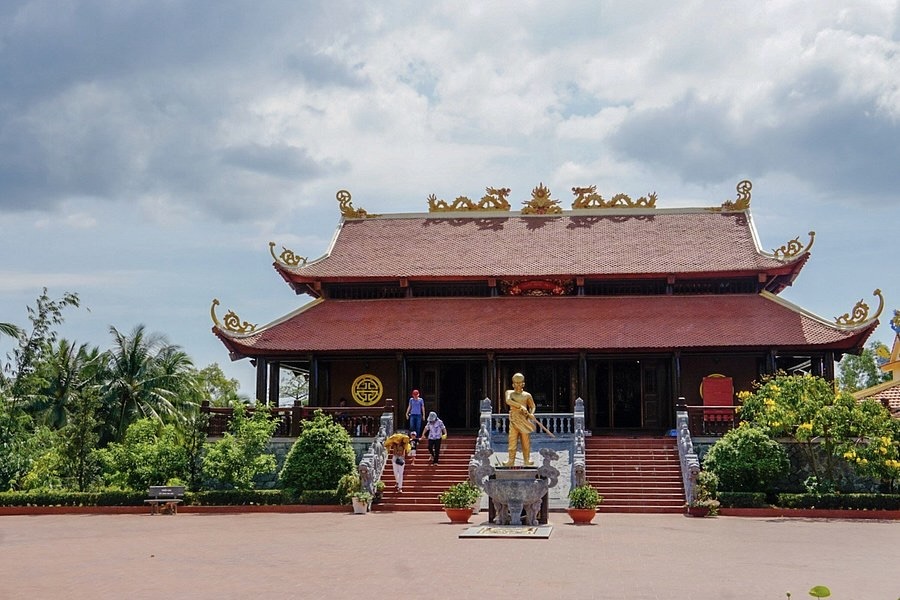
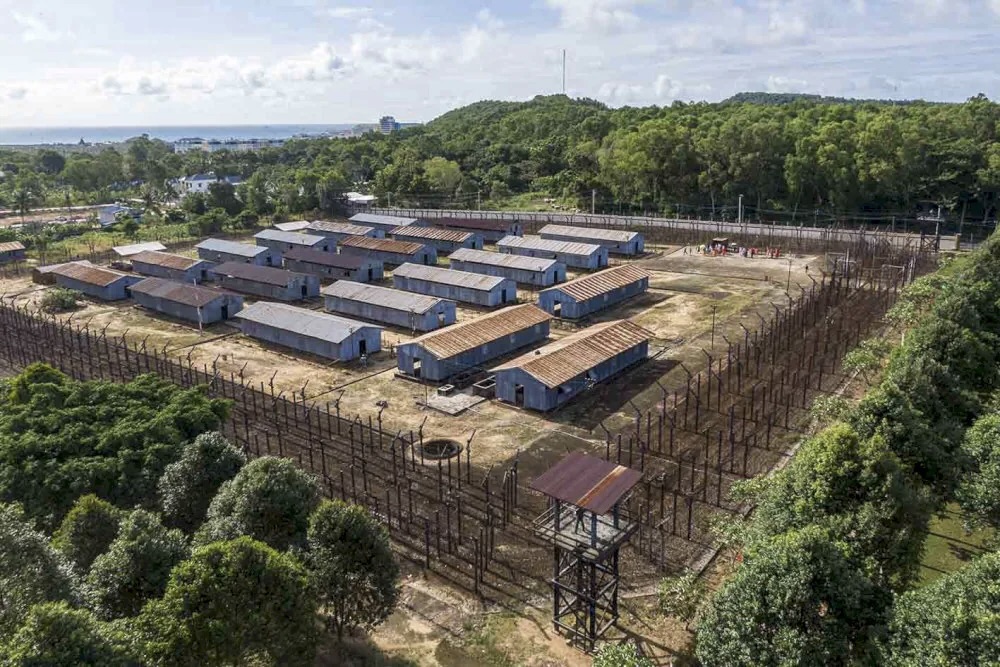
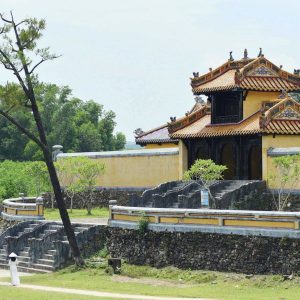
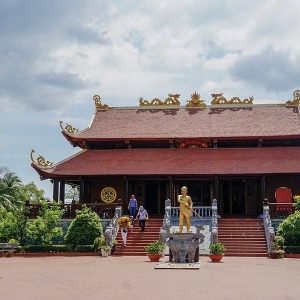
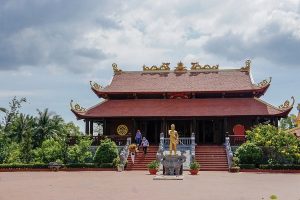
Phu Quoc is home to several historical landmarks, including Nguyen Trung Truc’s military base, relics associated with King Gia Long, and the Phu Quoc Prison, which provides insight into Vietnam’s wartime history.



- Island Hopping and Local Experiences
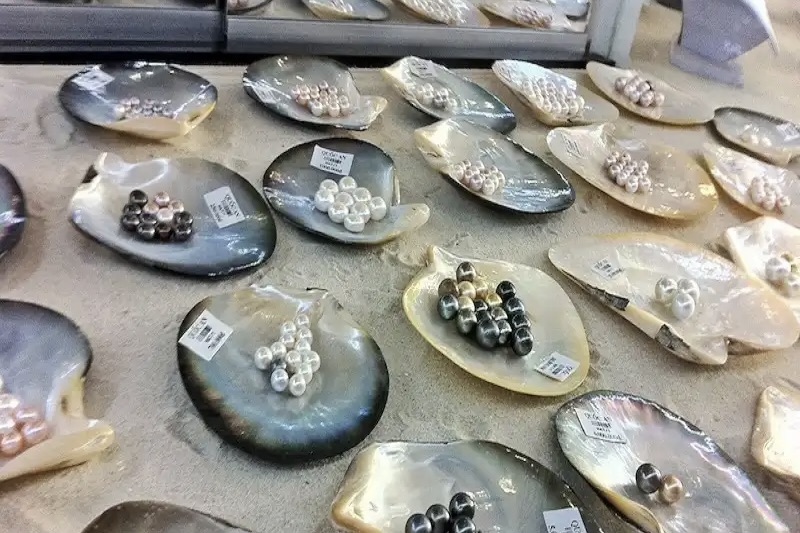
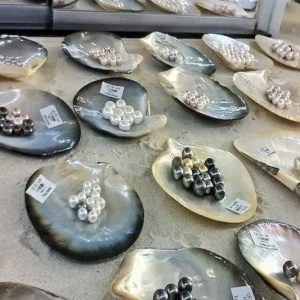
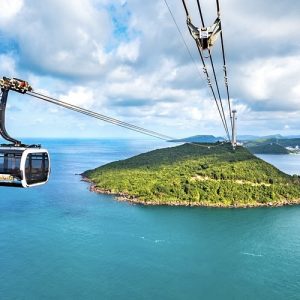
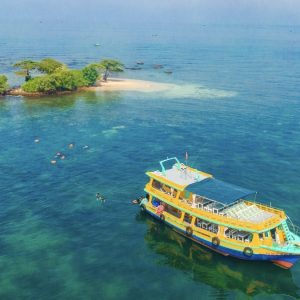
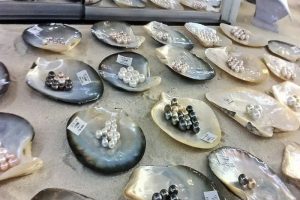
An Thoi and Hon Thom harbors serve as gateways for island-hopping tours and boat excursions. For a slower day, visitors can also stop by a Pearl Farm along Long Beach to learn about pearl cultivation and shop for locally made jewelry.

When To Go?
Phu Quoc can be visited throughout the year.
- Dry season: November to September – sunny skies and calm seas, ideal for beach activities
- Rainy season: October – short, heavy showers but fewer crowds
The best time to visit is during the dry season, when the weather is consistently warm and clear.
Travel Tips
- Book beachside accommodation early during peak season
- Rent a motorbike or use taxis for easy travel around the island
- Visit waterfalls and forests during or just after the rainy season for the best scenery
- Bring sunscreen and light clothing, as the sun can be strong year-round



Reviews
There are no reviews yet.